The Product backlog - A precision instrument for tuning uncertainty
The product backlog is often misunderstood as a simple to-do list where everyone can chip in and add or remove items as they please. This becomes quickly a shopping list as if you would have to go buy eggs and bacon, with no real understanding about priorities, links between the backlog and users’ needs and the uncertainty that everything implied comes with.

In reality, for a Product owner, the backlog is a precision instrument for tuning uncertainty.
The backlog as a tuning tool
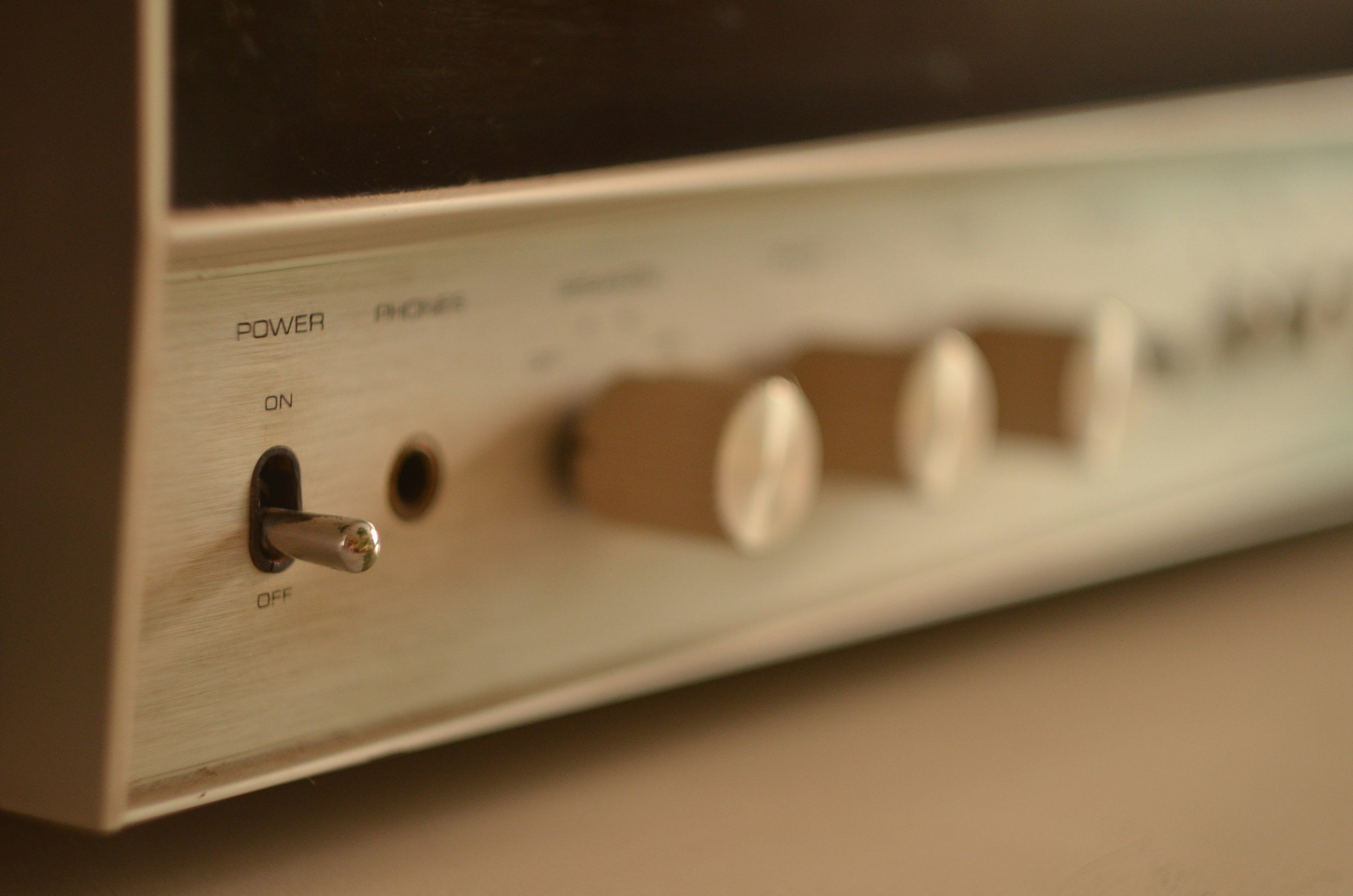
The backlog as a radio
Managing a product is much like tuning an old radio: You start with static and gradually find the clear signal. In the backlog, this “tuning” happens vertically, not circular.
The fog at the Bottom (high uncertainty)
The items at the bottom on your backlog are usually fuzzy. They are big, vague and full of “unknowns”. This is perfectly normal and having those items should not make you worry at all. Everyone has unknowns in their projects. Heck, in their life. This means that it was discussed or thought at some point, but it’s not yet a priority to go into more detail. You have more pressing things to do.
The PO Mindset: You must be comfortable with this lack of detail. Trying to define these items perfectly today is a waste of energy because the market, the technology or the customer’s needs will likely change before you reach them.
The work: These items require research, discovery, conversation and more context, not technical specifications.
The “Refinement” in the middle (tuning the frequency)
As items move up, they pass through the “refinement” filter. This is where the PO and the team turn static into information. You break down larger epics into smaller chunks, indentifying dependencies and risks.
The “clarity” at the top
The items at the top - ready for the next sprint - must be crystal clear. Clarity is not just a technical requirement - it’s a priority signal. No clarity, no development.
Why? Would you buy something that is not on your shopping list, “just in case you might need it”? Well…some do. But this is a waste of money, energy, space in your cupboard and your own time. Those extra items are bought without a scope in mind and most probably could’ve been prioritised for another day or week’s shopping. The same happens with items that do not make it on your “shopping list”, or in the top of your backlog. Attack only subjects that are understood, needed and clarified. The rest is noise. For now. Clarity = Importance
The PO’s greatest skill - Emotional agility with the Unknown
The hardest part of being a PO sometimes is the psychological work of being ok with the unknown.
Many organisations pressure POs to have “completed and detailed” plan for the next six months or even 1 year. This creates a false sense of security that leads to rigid products. A mindful PO recognises that:
A healthy backlog is DEEP (Detailed appropriately, Estimated, Emergent and Prioritised)
Uncertainty at the bottom is a sign of health, not a lack of organisation. It means you are leaving room for the team to learn and for the product to evolve.
Tuning static into impact
When you stop viewing the backlog as a fixed commitment and start viewing it as a tuning tool, the pressure begins to shift. You are no longer responsible for knowing everything from Day 1. You are responsible for ensuring that by the time a task hits the team’s hands, the static has been tuned out and only the high-value signal remains.
