The role of the client in Agile: How involvement (or lack of it) shapes delivery
The Agile promise vs reality
If agile is all about collaboration, why do so many teams work without ever talking to their clients? Over the years, I’ve seen products built for users (where they?) who were ghosts - sometimes close, sometimes far. And the distance changes everything.
Agile frameworks talk about customer collaboration over contract negotiation - but in real life clients are often nowhere to be found after a project kickoff. Seems familiar? The collaboration becomes one-sided with teams talking about the client rather than with the client.
When that happens, you start seeing user stories that "check boxes” but don’t actually solve any of your client’s problems. Or, at least, they will solve them by chance, not purposefully. At this point, Agile becomes a delivery theater.
When the client is in the room

Good communication, great products
A present client brings clarity, focus and energy. And headaches, yes, but it’s our job as a team to manage their needs and help them build the best possible product, right? RIGHT? You can challenge assumptions live, get immediate feedback and adapt quickly. But as said before, this closeness can also create tension - scope creep, over-involvement and emotional decisions that derail priorities.
The balance, then, is in structured collaboration: workshops, refinement sessions or story-writing activities where everyone’s voice is heard - but the PO still owns the outcome.
When the client is too far

Make it stand out
When clients are distant, the Product owner must become an investigator. This is taking a lot of head space from a person already because he is probably second-guessing himself, the direction towards which the product is going, if the priorities are right, is he doing a good job, why aren’t user interested in his reviews?! And the list goes on. That’s where the Product Owner stops being a bridge and starts being a detective. He needs to look through proxies, data and analytics to uncover what’s not being said. This is Mike Cohn’s “User Stories applied” book gives really good advice:
“Because stories will be evolving, coming and going throughout the project, we need techniques for gathering them that can be used iteratively... user interviews, questionnaires, observation, and story-writing workshops.”
These tools become the Product owner’s bridge to a silent client. Observation reveals needs that even user can’t express, maybe. Interviews and workshops help uncover gaps between what people say and what they actually do.
The biggest trap, Cohn says, is asking closed-ended questions like “Would you like this feature?” instead of open, context-free questions that reveal real priorities.
You’ve seen clients that say “Yes” to your questions and you think “Man…he said yes only to avoid thinking too much today, didn’t he?”
The balance point: The healthy client involvement
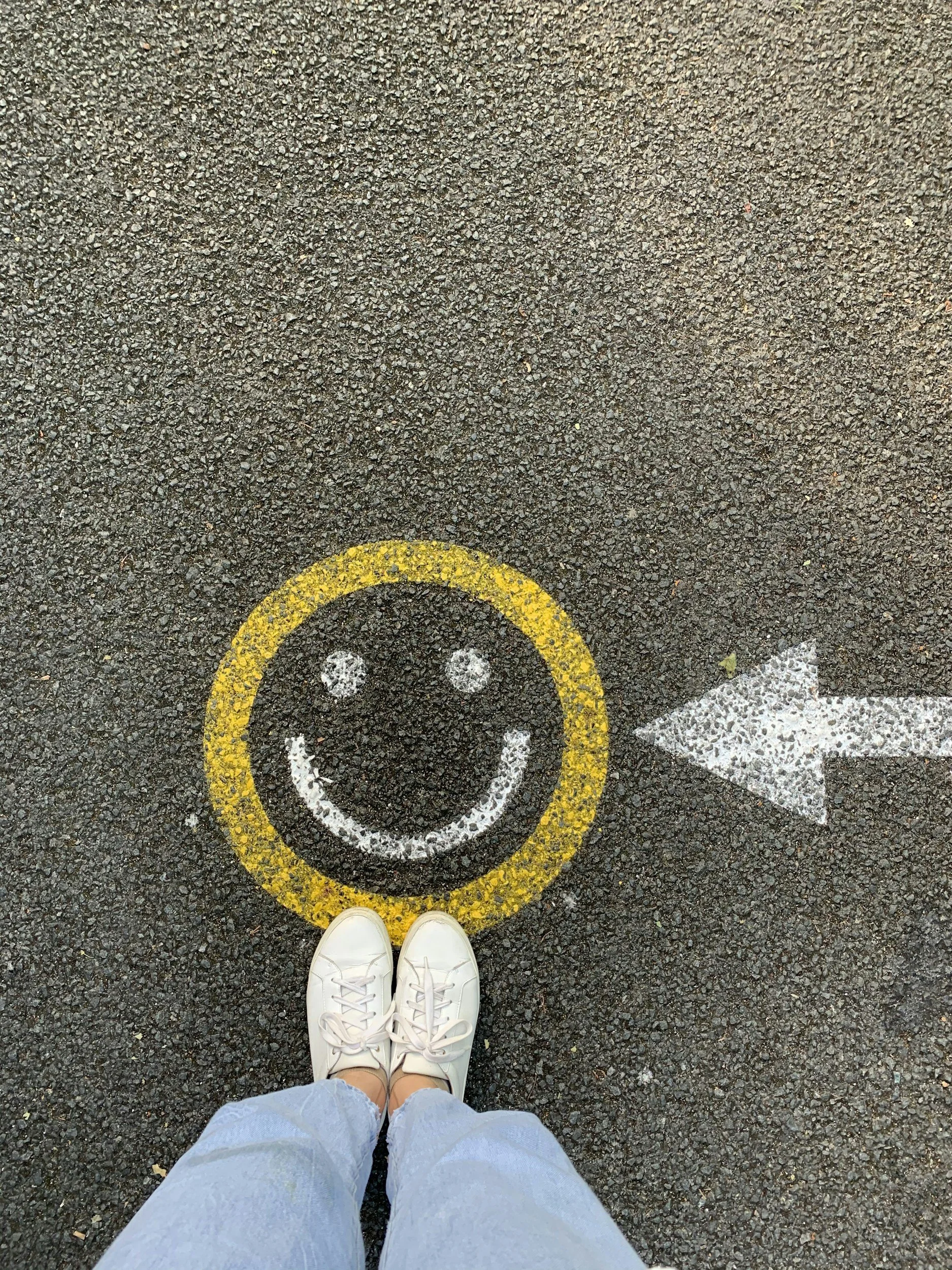
The key is to have a happy customer and a good product
Real collaboration isn’t about constant presence - it’s about structured touchpoints and trust.
When clients are close: co-create, validate, and refine together. The development team and the PO have the responsibility to help the organisation select the appropriate users/clients to fit the job of describing the needs, together with the business, in order to get a wide vision of how the product will be used and how the system needs to be built.
When clients are far: observe, listen, and validate asynchronously. You might need to use user proxies, managers of said users, development managers as tertiary proxies. Keep in mind that as you stray further away from the real users/clients, your user stories will be less clear and the needs described will have a tendency to be the wrong ones.
In both cases, use story-writing workshops to re-anchor teams to real needs, not assumptions.
Final thoughts
Agile thrives on transparency, but transparency dies with silence. When clients disengage, user stories lose meaning and the product loses direction. At that point you are building something for the sake of working and not getting fired because you’re useless.
Whether you collaborate live in workshops or remotely through observation and data, the goal is the same: Keep the client’s voice present in every story!
